The #1 Newsletter to keep you out of burnout forever!

A Winning Position.
February 17, 2026
Learn how to survive a PIP:
You walk into your Monday morning meeting. Your boss slides a document across the table.
It says “Performance Improvement Plan” at the top.
Your stomach drops. Your face goes hot.
Am I about to lose my job?
Every year, thousands of executives land on a PIP. Most never saw it coming. Almost none of them know how to fight back.
Here’s the part nobody tells you. A PIP is never just about you. It takes two to tango. Your boss helped create this mess. And that changes everything about how you respond.
It Takes Two
I’ve worked with more than a dozen leaders who landed on PIPs. I see the same pattern every time.
The boss spots a gap. Then they wait. They watch. They hope the employee figures it out alone.
When the employee doesn’t self-correct, the boss jumps in. Fixes it themselves. Then writes it up as more proof the employee failed.
Year one: “You need to improve execution timing.” Year two: same feedback. Year three: same words, louder voice. Nothing changes — because the boss never changes their approach.
Psychologists call this the fundamental attribution error. Your wins get explained away. “Strong project delivery, but the journey revealed leadership gaps.” Your losses get treated like permanent character flaws. Same message with more urgency is not coaching. It’s a countdown.
Flip the Script
What if the PIP wasn’t a death sentence? What if you could make it your strongest career move?
Here’s how. You turn the PIP into a two-sided deal.
Most PIPs are one-directional. The employee must change. The boss just evaluates. That’s broken. You’re being asked to produce different results inside the same system that caused the problem.
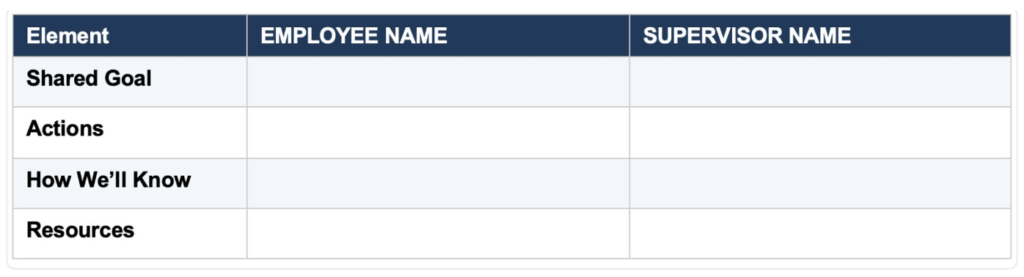
Instead, build a side-by-side matrix. For each improvement area, spell out four things: the shared goal, actions both sides will take, how you’ll measure progress, and resources needed. Your column and your boss’s column. Equal weight. Equal accountability.
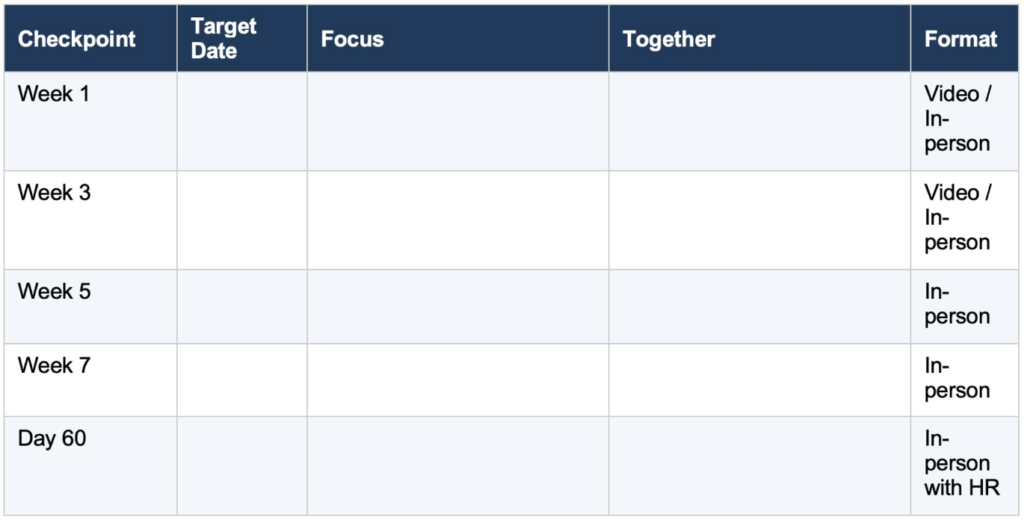
Then set a check-in schedule. Weekly at first. In person when possible. Include HR by week five.
You don’t win a PIP by being nice and quiet. You win with precision.
The Burnout Connection
A PIP doesn’t just threaten your job. It drains your health.
When your brain senses a threat to your livelihood, it floods your system with cortisol. Day after day. Week after week. Your sleep suffers. Your focus scatters. Your confidence crumbles. This is how burnout takes root. Not from the work itself. From the fear of losing everything you’ve built.
That’s why strategy matters more than effort right now. Working harder inside a broken system won’t save you. Working smarter will.
Your Move
Do three things this week if you’re on a PIP — or see one coming.
First, document everything. CC human resources on every critical email with your supervisor. If your boss pushes back on that, escalate immediately to HR and your boss’s manager. This is your career. Don’t be polite about protecting it.
Second, create that two-sided plan. Write out what you need from your supervisor to succeed. Their job is to support your growth. Hold them to it.
Third, stop trying to win alone. Get help from someone who has navigated this before. A coach. A mentor. Someone who knows how the game works behind closed doors.
Ready to take control before a PIP ever hits your desk? Or need help fighting through one with precision? Let’s connect. I’ve helped executives avoid PIPs entirely — and I’ve helped others turn a PIP into a comeback story. Either way, you don’t have to figure this out alone.
Your career is worth fighting for. Fight smart.
—Oliver

Podcast Episodes

Listen to my latest podcast episodes and learn about career success and a life without burnout.
Click to listen on Apple Podcasts and Spotify:


Join 87.4k professionals and get your Burnout Score:
Dr. Degnan's Burnout Score is a scientific first step for you to reverse and prevent burnout forever. After that, join 2.3k professionals and take my masterclass, NEVER BURNOUT AGAIN, and reverse burnout forever in less than 20 days.
GET MY BURNOUT SCORE